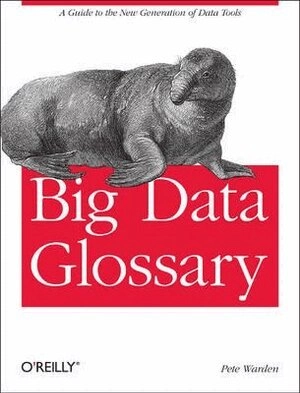
Big Data Glossary Upplaga 1
- Upplaga: 1a upplagan
- Utgiven: 2011
- ISBN: 9781449314590
- Sidor: 60 st
- Förlag: O'Reilly Media
- Format: Häftad
- Språk: Engelska
Om boken
There's been a massive amount of innovation in data tools over the last few years, thanks to a few key trends: * *Learning from the web*. Techniques originally developed by website developers coping with scaling issues are increasingly being applied to other domains. * *CS+?=$$$*. Google have proven that research techniques from computer science can be effective at solving problems and creating value in many real-world situations. That's led to increased interest in cross-pollination and investment in academic research from commercial organizations. * *Cheap hardware*. Now that machines with a decent amount of processing power can be hired for just a few cents an hour, many more people can afford to do large-scale data processing. They can't afford the traditional high prices of professional data software though, so they've turned to open-source alternatives. These trends have led to a Cambrian Explosion of new tools, which means when you're planning a new data project you have a lot to choose from. This guide aims to help you make those choices by describing each tool from the perspective of a developer looking to use them in an application. Wherever possible, this will be from my first-hand experiences, or from colleagues who have used the systems in production environments. I've made a deliberate choice to include my own opinions and impressions, so you should see this guide as a starting point for exploring the tools, not the final word. I'll do my best to explain what I like about each service but your tastes and requirements may well be quite different. Since the goal is to help experienced engineers navigate the new data landscape, the guide only covers tools that have been created or risen to prominence in the last few years. For example, PostGres is not covered because it's been widely used for over a decade, but its Greenplum derivative is newer and less well-known, so it is included.
Åtkomstkoder och digitalt tilläggsmaterial garanteras inte med begagnade böcker
Mer om Big Data Glossary (2011)
I oktober 2011 släpptes boken Big Data Glossary skriven av Pete Warden. Det är den 1a upplagan av kursboken. Den är skriven på engelska och består av 60 sidor. Förlaget bakom boken är O'Reilly Media.
Köp boken Big Data Glossary på Studentapan och spara pengar.
Referera till Big Data Glossary (Upplaga 1)
Harvard
Warden, P. (2011). Big Data Glossary. 1:a uppl. O’Reilly Media.
Oxford
Warden, Pete, Big Data Glossary, 1 uppl. (O’Reilly Media, 2011).
APA
Warden, P. (2011). Big Data Glossary (1:a uppl.). O’Reilly Media.
Vancouver
Warden P. Big Data Glossary. 1:a uppl. O’Reilly Media; 2011.
citeproc-js implements the Citation Style Language. (c) Frank Bennett. Licenser och källkod.