Spara 173 kr
Spara 173 kr
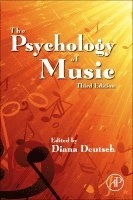
The psychology of music Upplaga 3
- Upplaga: 3e upplagan
- Utgiven: 2013
- ISBN: 9780123814609
- Sidor: 786 st
- Förlag: Elsevier Science
- Format: Häftad
- Språk: Engelska
Om boken
The Psychology of Music serves as an introduction to an interdisciplinary field in psychology, which focuses on the interpretation of music through mental function. This interpretation leads to the characterization of music through perceiving, remembering, creating, performing, and responding to music. In particular, the book provides an overview of the perception of musical tones by discussing different sound characteristics, like loudness, pitch and timbre, together with interaction between these attributes. It also discusses the effect of computer resources on the psychological study of music through computational modeling. In this way, models of pitch perception, grouping and voice separation, and harmonic analysis were developed. The book further discusses musical development in social and emotional contexts, and it presents ways that music training can enhance the singing ability of an individual. The book can be used as a reference source for perceptual and cognitive psychologists, neuroscientists, and musicians. It can also serve as a textbook for advanced courses in the psychological study of music. Encompasses the way the brain perceives, remembers, creates, and performs music Contributions from the top international researchers in perception and cognition of music Designed for use as a textbook for advanced courses in psychology of music
Åtkomstkoder och digitalt tilläggsmaterial garanteras inte med begagnade böcker
Mer om The psychology of music (2013)
2013 släpptes boken The psychology of music skriven av Diana Deutsch. Det är den 3e upplagan av kursboken. Den är skriven på engelska och består av 786 sidor. Förlaget bakom boken är Elsevier Science.
Köp boken The psychology of music på Studentapan och spara uppåt 21% jämfört med lägsta nypris hos bokhandeln.
Referera till The psychology of music (Upplaga 3)
Harvard
Deutsch, D. (2013). The psychology of music. 3:e uppl. Elsevier Science.
Oxford
Deutsch, Diana, The psychology of music, 3 uppl. (Elsevier Science, 2013).
APA
Deutsch, D. (2013). The psychology of music (3:e uppl.). Elsevier Science.
Vancouver
Deutsch D. The psychology of music. 3:e uppl. Elsevier Science; 2013.
citeproc-js implements the Citation Style Language. (c) Frank Bennett. Licenser och källkod.